Ground Penetrating Radar (GPR)
Ground Penetrating Radar (GPR)-Georadar
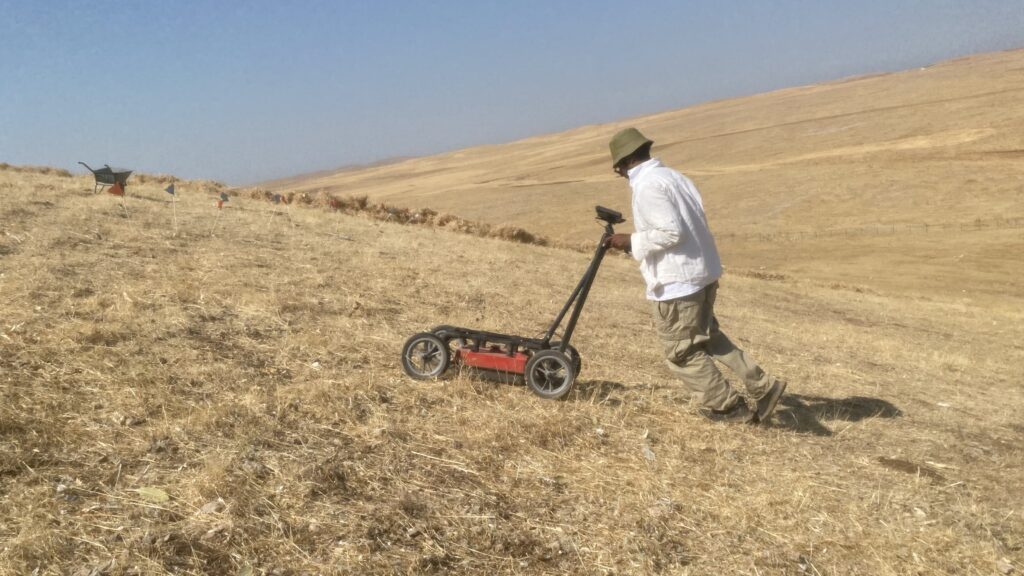
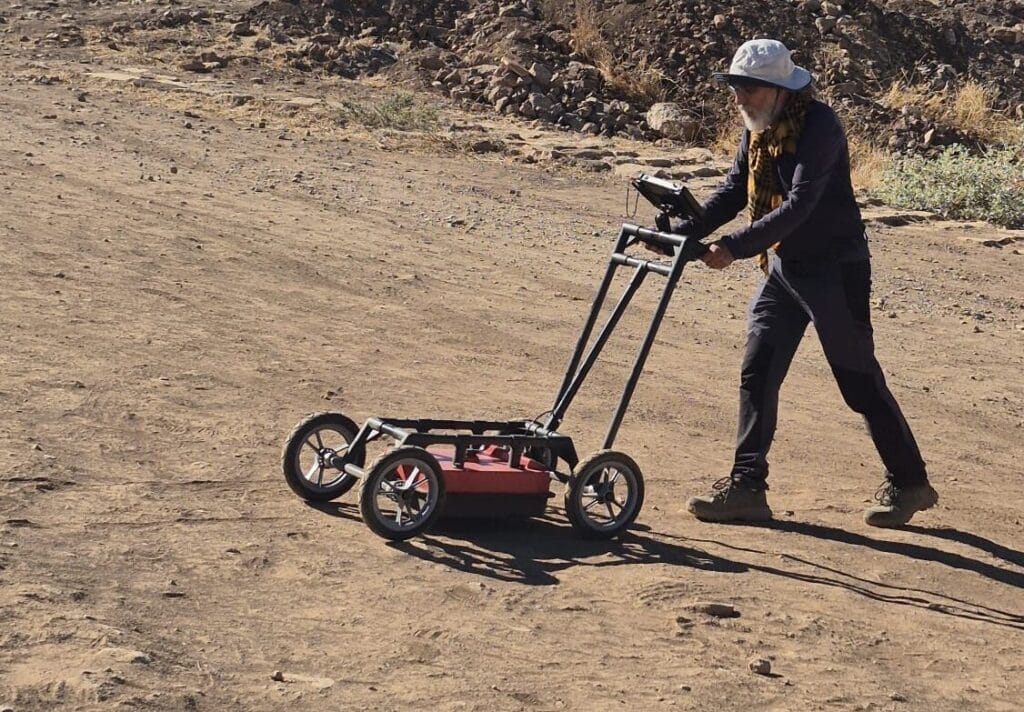
Ground Penetrating Radar (GPR) is a research technique used in shallow geophysical applications, boasting a very wide range of uses. By transmitting high-frequency electromagnetic radar signals (between 10 MHz and 3 GHz) into the subsurface via a transmitting antenna—and analyzing the round-trip travel times of the reflections from within the ground—radargrams are generated, allowing for the high-resolution examination of subsurface structures.
Today, this method is widely employed and applied to almost all types of shallow geophysical challenges. It has an extensive field of application, including: shallow geological investigations (stratigraphy, fault identification, landslides, karstic voids, shallow groundwater aquifers, etc.); the study of archaeological structures and living cultural heritage; engineering applications (surveying pipelines, tunnels, highways, and railways; investigating structural reinforcements and internal building issues, etc.); the detection of unexploded ordnance and landmines; forensic science; the assessment of natural disasters; the identification of pollution and underground chemical fluid leaks; research on solid waste sites; mineral deposit detection and ore exploration; as well as work related to marble quarries.
Detailed Information About GPROur GPR Equipment
- 200/400/800 MHz triple frequency support
- Wide band range from 50 to 1400 MHz
- Performs the functions of multiple traditional antennas on its own